Why furnished homes can command a premium
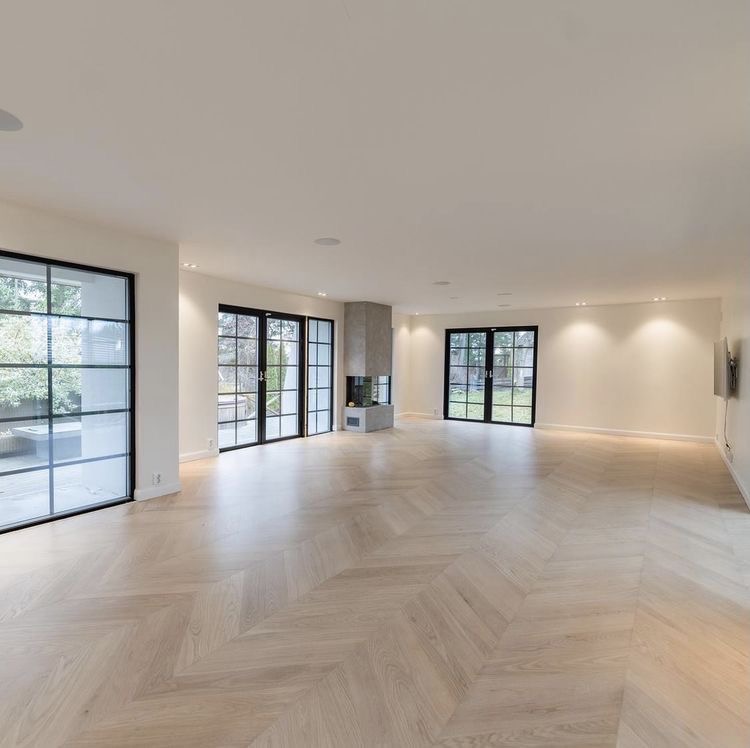
The gap between empty and ready
An empty house asks the viewer to do imaginative work: to picture their furniture, their life, their routines inside blank rooms. Most people cannot, and the rooms read smaller and colder than they are. A well-furnished house removes that work entirely — it presents a finished answer rather than a question.
For rental and short-stay properties the effect is direct: a furnished home can be occupied from day one, and the tenant or guest pays for that immediacy.
Furnished is not the same as filled
The premium attaches to considered furnishing, not to furniture. There is a difference between a room dressed around the house's proportions and period character — correct scale, restrained palette, pieces that suit the architecture — and a room filled with whatever was cheapest that week. The first reads as a home; the second reads as a letting.
We furnish to the standard of the build: the same discipline applied to sofas, lighting, linen and gardens as to joinery and plasterwork. Consistency is what makes the whole property feel authored.
Where the premium shows up
In long-term lets, a genuinely well-furnished period home attracts professional tenants who stay longer and care for the property — which is worth more than the headline rent difference. In short stays, presentation is the product: the nightly rate a manor apartment commands is set largely by how it photographs and how it feels on arrival.
On sale, a furnished and staged house typically sells faster and closer to asking, because it removes the buyer's doubts rather than raising them.
Why we do it ourselves
Because it is part of the same standard. A house restored to our specification and then furnished to someone else's would be half-finished. Keeping interior design in-house means the rooms are planned together — the layout, the joinery, the lighting positions and the furniture are one design, not four.
Sloane & Sable restores character British homes across Nottingham, Derby and the wider East Midlands. If you own — or are selling — a property that fits this journal's subject, we would like to hear about it.